2027 Elections: Campaign Spending Limits Put Spotlight on Political Financing in Nigeria
August 27, 2026
Funke Akindele and JJC Skillz Spotted Together in Paris With Their Twin Sons
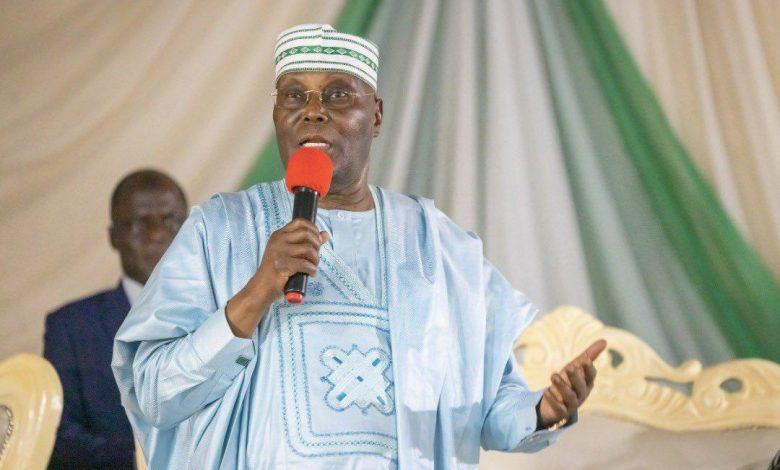
August 27, 2026African Democratic Congress presidential candidate Atiku Abubakar has reaffirmed his promise to restore petrol subsidy if elected president in Nigeria’s 2027 general election, setting up a major economic policy debate ahead of the polls.
The former vice-president said his position had not changed, arguing that Nigeria has enough resources to provide relief for citizens struggling with the rising cost of living.
Atiku Says Subsidy Will Ease Economic Hardship
Atiku has argued that the removal of petrol subsidy has placed additional pressure on Nigerian households by contributing to higher transportation and living costs.
He said his economic priority would be to improve Nigerians’ purchasing power, lower energy and transportation expenses and create an environment in which businesses can produce, employ workers and expand.
Atiku first announced the pledge during a Hausa-language interview in August, saying he had not originally opposed subsidy removal but questioned how the savings generated from the policy had benefited ordinary Nigerians.
Not a Return to the Old Subsidy System?
Atiku’s camp has also sought to distinguish his proposal from Nigeria’s previous petrol-import subsidy system.
His aides have described the plan as a targeted intervention intended to support domestic production and reduce costs rather than recreate the former system of subsidising imported petrol.
However, the details have generated some confusion.
Atiku publicly corrected one of his media aides after the aide suggested that the subsidy would initially be restored and later gradually removed. Atiku responded that the aide had not been speaking with his authority and insisted simply that he would restore the subsidy.
Tinubu Presidency Challenges Atiku’s Proposal
President Bola Tinubu’s administration has strongly criticised the plan.
The Presidency has challenged Atiku to explain exactly how a targeted subsidy would work, including how much it would cost, who would qualify, how it would be funded and what conditions would determine whether the intervention eventually ends.
Tinubu announced the end of the petrol subsidy at his inauguration in May 2023, presenting the decision as part of wider economic reforms intended to reduce the government’s fiscal burden.
The administration continues to defend that decision, while opposition politicians have increasingly focused on the economic hardship experienced by households since the reforms began.
Petrol Subsidy Could Become a Major 2027 Campaign Issue
Atiku’s pledge means fuel pricing and the cost of living could become central issues in the 2027 presidential campaign.
For many Nigerians, petrol prices affect much more than the cost of filling a vehicle. Transportation costs can influence food distribution, business operating expenses and household spending.
That gives both Atiku and Tinubu very different economic messages to take to voters.
Atiku is positioning targeted government intervention as a way to reduce pressure on households and restore purchasing power, while the Tinubu administration argues that returning to subsidies risks undermining the fiscal gains made since the previous system was removed.
A Major Economic Choice Ahead of 2027
As campaigning intensifies, Nigerians are likely to hear much more about the competing approaches.
The debate will not simply be about whether petrol should be subsidised. Questions about how any subsidy would be funded, who would benefit, how abuse would be prevented and whether the policy could be sustained are likely to become equally important.
Atiku has now made his position clear: if elected in 2027, he intends to restore a form of petrol subsidy.
Whether voters see that proposal as necessary economic relief or an expensive return to government intervention could become one of the defining policy debates of Nigeria’s 2027 presidential election.