

UEFA Set to Drop FIFA Boycott Threat as Pressure Mounts on Gianni Infantino
August 27, 2026
Atiku Insists He Will Restore Petrol Subsidy if Elected President in 2027
August 27, 2026As Nigeria prepares for the 2027 general elections, campaign financing is attracting fresh attention following significant increases in the amount candidates are legally permitted to spend.
Under Section 92 of the Electoral Act 2026, a presidential candidate can spend up to ₦10 billion, while a governorship candidate can spend as much as ₦3 billion on election expenses.
The new limits represent a major increase from the Electoral Act 2022, which placed the ceilings at ₦5 billion for presidential candidates and ₦1 billion for governorship candidates.
How Much Can Candidates Spend?
The Electoral Act 2026 sets different spending limits depending on the political office being contested.
Presidential candidates are limited to ₦10 billion, governorship candidates to ₦3 billion, senatorial candidates to ₦500 million, House of Representatives candidates to ₦250 million, and State House of Assembly candidates to ₦100 million.
The figures are maximum legal limits rather than amounts candidates are required to spend.
According to recent reporting, the 19 presidential candidates currently identified for the race could collectively have a spending ceiling of ₦190 billion. With 127 reported governorship candidates across 28 states, their combined potential ceiling would reach ₦381 billion.
Together, that creates a theoretical maximum of approximately ₦571 billion for presidential and governorship candidates alone.
Why Were the Limits Increased?
Running a nationwide political campaign in Nigeria has become increasingly expensive.
Candidates have to fund transportation, campaign offices, rallies, media advertising, digital campaigns, personnel, grassroots mobilisation and other activities across large constituencies.
For a presidential candidate attempting to reach voters across Nigeria’s 36 states and the Federal Capital Territory, the cost can become particularly significant.
The Electoral Act 2026 therefore increased several spending ceilings, with the presidential limit doubling from ₦5 billion to ₦10 billion and the governorship limit rising from ₦1 billion to ₦3 billion.
Questions Over Transparency and Accountability
While higher limits may reflect the increasing cost of political campaigns, they also renew concerns about the role of money in Nigerian elections.
One major question will be whether authorities can effectively track how much candidates actually spend and where campaign funds come from.
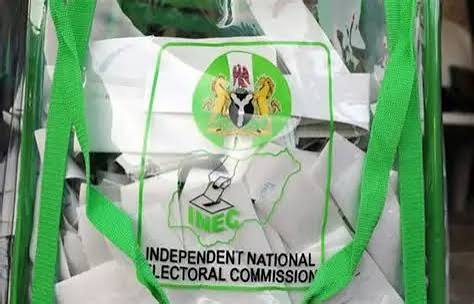
The Electoral Act gives INEC powers relating to political contributions and campaign financing, while candidates who knowingly exceed the spending limits can face penalties.
Under Section 92, violating the campaign expenditure ceiling can result in a fine calculated as a percentage of the permitted limit, imprisonment for up to 12 months, or both.
Effective enforcement will therefore be important if the spending limits are to improve transparency rather than simply exist on paper.
2027 Elections Draw Closer
INEC has scheduled the presidential and National Assembly elections for February 20, 2027, while the governorship and State House of Assembly elections are scheduled for March 6, 2027.
As political activity intensifies ahead of those elections, campaign finance is likely to remain one of the major issues under scrutiny.
The ₦10 billion presidential and ₦3 billion governorship ceilings show just how expensive Nigerian electoral politics has become.
But beyond how much candidates are permitted to spend, an even bigger question remains: how effectively will Nigeria track the money, its sources and its influence on the 2027 elections?